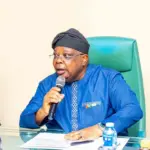
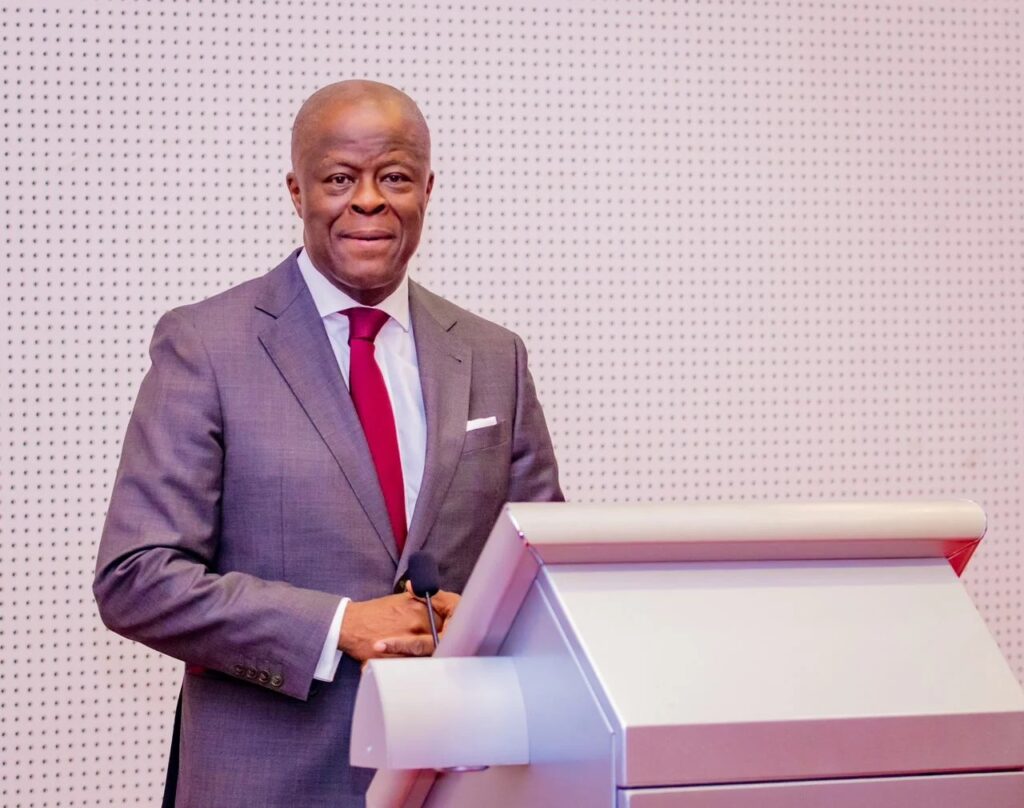
In an interview that aired on AIT’s Moneyline program and was uploaded to the channel’s YouTube page on Wednesday, the minister made this claim.
Since the nation is unsure of the precise amount of fuel used internally, Edun clarified that President Bola Tinubu abolished the fuel subsidy due to the current circumstances.
The National Bureau of Statistics reported that Nigeria’s petrol imports decreased to an average of one billion litres monthly after President Bola Tinubu removed the fuel subsidy on May 29, 2023. This reduction was primarily due to the fact that the poorest 40% of Nigerians were only receiving 4% of the value of the fuel subsidy at the time. The issue of petroleum pricing is crucial as it impedes economic growth and affects all neighboring countries, including those in the east, North, and West.
The government, led by Finance Minister Edun, prioritizes the welfare of the people, particularly the vulnerable, and focuses on ensuring food availability and affordability. The N570bn fund release to state governments was implemented in December last year, and the finance minister clarified that the recent decision to raise the maximum borrowing percentage in the Ways and Means from five to 10% does not imply that the Federal Government tends to rely on Central Bank of Nigeria financing. Instead, the government has used market instruments to manage its debts, using market instruments to pay down what is owed.
Edun also highlighted the importance of ensuring food availability and affordability for Nigerians. He stated that there is a concerted effort to ensure homegrown food is available, and that importation will only be permitted after exhausting local supplies. One condition for importation is that everything available locally in markets or with millers has been taken up, and auditors will check that.
These interventions aim to reduce inflation, stabilize exchange rates, and lower interest rates, creating a conducive environment for investment and job creation. The welfare of Nigerians remains a key priority for the current administration, with a concerted effort to ensure that homegrown food is available in the short term.