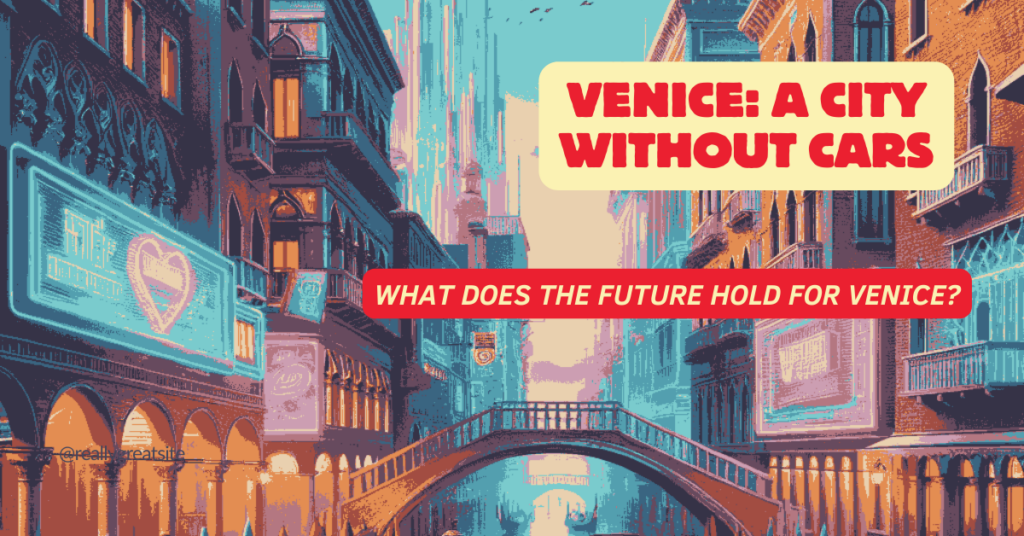
Venice, Italy, a city known for its enchanting canals and captivating charm, stands out as a unique urban center where cars are conspicuously absent. The absence of cars in Venice is not just a quirk of its history but a deliberate choice that has shaped the city’s identity and lifestyle. In this bustling metropolis, gondolas glide gracefully along the waterways, pedestrians stroll leisurely down cobblestone streets, and the air is filled with tranquility rather than the roar of engines. This car-free environment offers a plethora of benefits for both residents and visitors alike, from the preservation of architectural heritage to promoting a healthier and more sustainable way of life. Let’s delve into the myriad advantages that come with experiencing Venice without the presence of cars.
Challenges and Limitations
Transportation Logistics
The absence of cars in Venice poses a logistical challenge when it comes to transporting goods and materials within the city. Without the convenience of roadways, merchants and businesses must rely on boats and manual labor to deliver supplies, leading to increased costs and operational complexities. This unique transportation system, while charming and traditional, can hinder the efficiency of commerce and create obstacles for local businesses to navigate.
Emergency Services Navigation
Emergency services in Venice face distinctive challenges due to the lack of cars in the city. Firefighters, paramedics, and police officers must swiftly navigate the intricate canal network and narrow streets during emergencies. While specialized boats and water-based vehicles are available, the absence of traditional road infrastructure can present hurdles in responding promptly and effectively to critical situations, highlighting the need for innovative solutions to enhance emergency services.
Accessibility Concerns
The car-free nature of Venice can pose challenges for individuals with mobility issues, impacting the overall accessibility of the city. Navigating the numerous bridges and uneven paths can be daunting for those with disabilities or limited mobility. Efforts have been made to improve accessibility, such as installing ramps and elevators, but further measures are necessary to ensure that Venice is inclusive and accommodating for all residents and visitors, emphasizing the importance of addressing accessibility concerns in urban planning initiatives.
Striking a Balance
While the absence of cars in Venice offers numerous advantages, it also requires a delicate balance to address the challenges and limitations that arise. From enhancing transportation logistics and emergency services to improving accessibility for all, Venice must find innovative solutions that preserve its unique car-free status while adapting to modern demands. By navigating these challenges thoughtfully and strategically, Venice can continue to thrive as a remarkable city that seamlessly blends tradition with modernization, ensuring a vibrant and sustainable future for generations to come.
The Future of Venice: Balancing Tradition and Modernization
Venice stands at a crossroads, where tradition meets modernity, and the city must navigate this delicate balance to ensure its continued prosperity. As the world evolves, Venice recognizes the importance of preserving its unique car-free status while embracing advancements in technology and sustainability. In this pursuit, the city is exploring innovative solutions to address the logistical challenges presented by the absence of cars.
-
Initiatives such as introducing electric water buses aim to reduce pollution and carbon emissions while maintaining the charm of Venice’s transportation system.
-
Efforts to streamline the movement of goods through advanced cargo delivery systems and automated technologies are underway, with the goal of supporting local businesses and ensuring economic viability.
As Venice looks towards the future, the city’s commitment to striking a balance between tradition and modernization is evident. By embracing sustainable practices and incorporating modern technologies, Venice aims to preserve its timeless allure while adapting to the demands of a changing world. Through these efforts, Venice can continue to captivate visitors with its car-free charm while ensuring a vibrant and sustainable future for generations to come.
Historical Perspective
- Venice’s unique identity as a city without cars can be traced back to its early history, where the city’s intricate network of canals became the primary mode of transportation. Built on a series of islands in a lagoon, Venice’s geography made it challenging to construct traditional roads, leading to the development of a water-based transportation system that set it apart from other cities.
- The absence of cars in Venice during the Middle Ages played a pivotal role in the city’s economic success as a major trading hub. Embracing the canals as their main thoroughfare, Venetians thrived in a bustling metropolis where goods and people flowed seamlessly through the waterways. This unique layout not only shaped Venice’s prosperity but also contributed to its cultural heritage and architectural marvels.
- Over the centuries, the absence of cars became deeply ingrained in the fabric of Venetian society, forming a core part of the city’s identity and charm. The picturesque bridges, narrow streets, and bustling canals all bear testament to Venice’s car-free lifestyle, making it a timeless destination that captivates visitors with its romantic allure and historical significance.
- Today, the absence of cars in Venice is not just a practical necessity but a source of pride for its residents. The city’s reliance on gondolas, water buses, and walking paths reflects a commitment to preserving its heritage and embracing a slower pace of life. Venice’s historical perspective as a city without cars serves as a reminder of the timeless beauty and ingenuity that have defined this enchanting urban center for centuries.
Introduction
Venice, Italy, a city known for its enchanting canals and captivating charm, stands out as a unique urban center where cars are conspicuously absent. The absence of cars in Venice is not just a quirk of its history but a deliberate choice that has shaped the city’s identity and lifestyle. In this bustling metropolis, gondolas glide gracefully along the waterways, pedestrians stroll leisurely down cobblestone streets, and the air is filled with tranquility rather than the roar of engines. This car-free environment offers a plethora of benefits for both residents and visitors alike, from the preservation of architectural heritage to promoting a healthier and more sustainable way of life. Let’s delve into the myriad advantages that come with experiencing Venice without the presence of cars.
Historical Perspective
Venice’s car-free status dates back centuries, with the city’s unique geography of interconnected islands and canals making it impractical for cars to navigate. Instead, Venetians have relied on boats, gondolas, and their own two feet to get around, creating a charming and pedestrian-friendly atmosphere. This historical context has influenced the current city layout and transportation infrastructure, preserving the legacy of a car-free Venice.
Benefits of a Car-Free Venice
The absence of cars in Venice has numerous benefits, from reducing air and noise pollution to promoting a more active and healthy lifestyle for residents and visitors. The picturesque streets and canals are safer and more inviting for pedestrians to explore, allowing for a deeper connection with the city’s rich history and culture. Additionally, the lack of cars has helped preserve Venice’s architectural heritage, preventing the wear and tear that vehicular traffic can cause to historic buildings and infrastructure.
Challenges and Limitations
While the car-free environment in Venice has its advantages, it also presents challenges and limitations. The reliance on boats and gondolas for transportation can be costly and inefficient, especially for residents who need to commute daily. Additionally, the influx of tourists and goods to Venice can strain the city’s waterway infrastructure, leading to congestion and environmental concerns. Balancing the preservation of Venice’s car-free status with the practical needs of modern life is an ongoing challenge for city planners and residents.
The Future of Venice: Balancing Tradition and Modernization
As Venice looks to the future, finding a balance between preserving its car-free identity and embracing modernization is key. Sustainable transportation solutions, such as electric boats and improved public transit, can help reduce the environmental impact of tourism and daily life in Venice. Embracing new technologies and urban planning strategies while respecting the city’s unique history and character will be crucial in shaping the future of Venice as a thriving, car-free city.
Conclusion
In conclusion, Venice’s status as a car-free city sets it apart as a truly unique and enchanting destination. The absence of cars not only enhances the city’s charm and beauty but also promotes a more sustainable and vibrant way of life for residents and visitors. While challenges exist in maintaining this car-free environment, the benefits far outweigh the drawbacks, making Venice a shining example of how urban centers can thrive without the presence of cars. As Venice continues to evolve and adapt to the changing demands of modern society, preserving its car-free status will be essential in safeguarding the city’s cultural heritage and ensuring a bright future for generations to come.
#Venice #CityWithoutCars #VeniceTravel #SustainableTourism #HistoricVenice #FutureOfVenice #travel #tour #hospitality