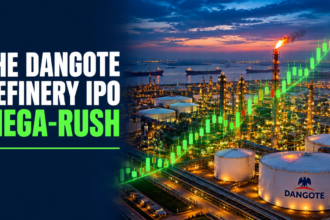
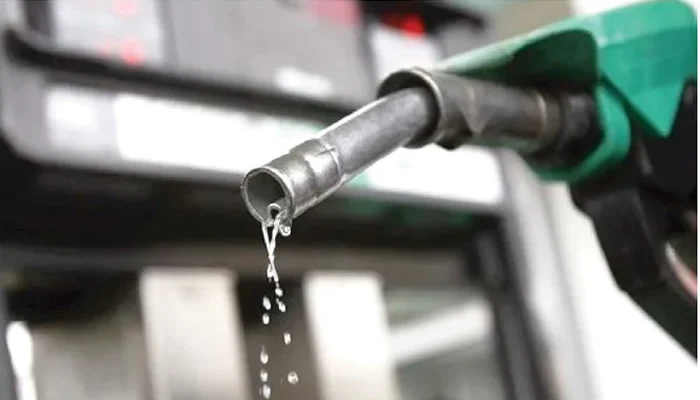
This increase, primarily driven by the actions of the Dangote Petroleum Refinery, which raised its gantry price from N995 to N1,175 per litre amidst ongoing geopolitical tensions, has prompted economists and the Organised Private Sector (OPS) to warn of potential inflationary pressures.
Various filling stations responded to this price hike by adjusting their pump prices, with some outlets quoted selling petrol for as high as N1,400. The OPS has expressed that the spike in petrol prices could lead to elevated transport and food prices, urging the Federal Government to enhance local refining capabilities and explore innovative solutions to combat rising fuel costs. The Nigerian Labour Congress criticized the frequent price increases from Dangote refinery, as international developments, including the G7’s consideration of releasing emergency oil reserves, added to the tension.
The recent adjustments in petrol prices mark the third increase within a single week, coinciding with fluctuating crude oil prices, which fell from around $115 per barrel to $98. Such volatility necessitated the price adjustments, which were communicated to marketers and depot operators by the refinery. Observations from petroleum pricing platforms indicate a notable shift in the benchmark prices used by downstream marketers, with stations quickly altering their prices in response.
Congruently, David Bird, the Managing Director/CEO of Dangote Refinery, defended the price hike by explaining the refinery’s exposure to international market conditions and associated costs. He clarified that Nigerian crude is obtained at global benchmark prices, emphasizing the challenges presented by the current global oil market volatility.
Additionally, the Independent Petroleum Marketers Association of Nigeria (IPMAN) posited that the surge in prices is temporary, suggesting a decline in fuel costs could follow an end to the ongoing conflict in the Middle East. However, some industry representatives expressed that there would be limited governmental intervention to mitigate the price surge, indicating that citizens may have to endure elevated prices until alternative solutions arise.
The OPS has highlighted serious concerns about the impact of the increasing fuel prices on logistics and food distribution, with business leaders noting that rising petrol prices have already begun to influence operational costs across various sectors. Amidst these developments, there are fears that inflation could reverse recent progress made in stabilizing the economy, especially with mounting logistical expenses and a political landscape gearing up for elections. The Director-General of the Lagos Chamber of Commerce and Industry has underscored the need for government prioritization of investments in domestic industrial capacity, particularly in crude oil refining, to mitigate these challenges effectively.