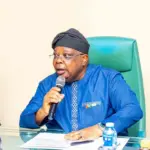
Sunday Dare, the President’s Special Advisor on Media and Public Communications, stated on Friday on his official X handle that the new policy is “a bridge, not a burden,” with the goal of changing Nigeria’s petroleum environment and ensuring long-term economic stability.
He characterized the program as a calculated move to reduce Nigeria’s reliance on petroleum imports and hasten the nation’s transition to energy independence.
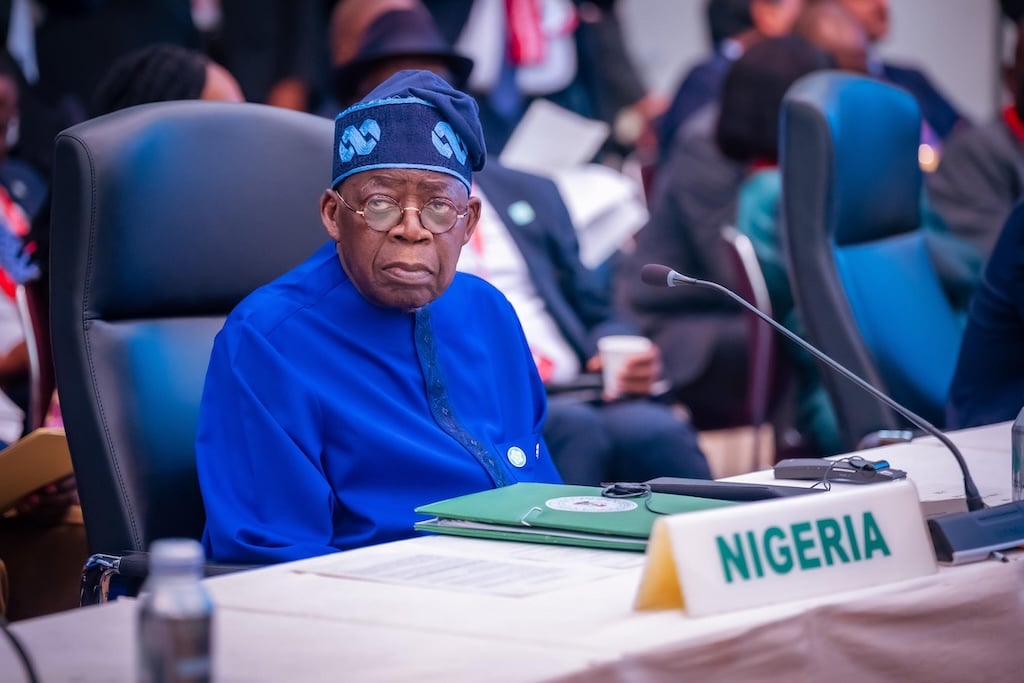
“President Bola Ahmed Tinubu’s approval of a 15% import duty on gasoline and diesel, a bold and strategic move aimed at reshaping Nigeria’s energy landscape, is no longer news,” Dare wrote.
He clarified that, despite being one of the world’s top producers of crude oil, Nigeria had long relied largely on imported fuel, which depleted foreign currencies, prevented the creation of jobs, and discouraged local refining operations.
Despite being a major producer of crude oil, the country has long relied heavily on imported gasoline, depleting foreign currencies and exporting employment that could have been generated domestically. By promoting local refining, increasing domestic capacity, and guaranteeing that Nigeria’s oil wealth immediately converts into national prosperity, this new policy is intended to buck that trend, the statement continued.
According to Dare, the policy aims to reduce the competitiveness of imported goods while favoring domestically refined fuel from the Dangote Refinery, Port Harcourt Refinery, and modular factories being built all throughout the nation.
“The government is tilting the market in favor of local refineries like Dangote and other modular plants by making imported fuel less competitive, laying the groundwork for a self-sustaining and resilient energy sector,” he said.
He continued by saying that supply will increase as domestic refining increases and that pump prices should eventually stabilize. Additionally, he claims that the program will draw new investments into the downstream petroleum value chain, boost industrial activity, and generate jobs.
Prices are predicted to moderate while employment, investment, and industrial activity increase as local refining increases and supply improves. Therefore, rather than being a burden, this strategy serves as a bridge from vulnerability to strength and from reliance to independence, according to Dare.
The presidential aide’s remarks differ from those of petroleum marketers, who have cautioned that after President Bola Tinubu approved a 15% ad-valorem import tariff on fuel imports, the pump price of Premium Motor Spirit, commonly known as petrol, could rise above N1,000 per litre.
The government’s plan to safeguard local refiners and lessen the influx of less expensive imported goods that jeopardize domestic refining investments includes the new regulation, which goes into effect after a 30-day transition period that is anticipated to conclude on November 21, 2025.