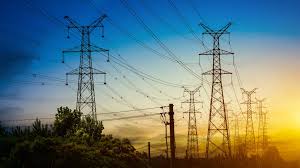
In the homes of millions of Nigerians, the click of a switch often meets silence. For decades, the promise of uninterrupted electricity has remained a dream deferred, despite massive investments and countless reforms. This week, that dream took another hit as a Federal High Court placed Ikeja Electric and KEPCO Energy Resources, two of Nigeria’s largest power companies under receivership due to their inability to repay substantial debts. These companies now join four other electricity distributors already under the control of Asset Management Corporation of Nigeria (AMCON) or other government-appointed administrators. The immediate cause may be financial insolvency, but the deeper issues run through the veins of a chronically mismanaged sector.
The implications of this move are vast and far-reaching. From small shop owners in Mushin relying on fans to cool their wares, to students in Ilorin struggling to study by torchlight, the failures of the power sector bleed into everyday life. These receiverships are not just bureaucratic events, they are alarm bells ringing in homes, hospitals, factories, and schools. Electricity is the invisible thread that holds modern society together, and each time a utility company collapses under mismanagement or debt, that thread unravels a little more. Investors are fleeing, grid reliability is at stake, and those who suffer most are the everyday Nigerians who have already grown tired of paying for darkness.
How did we get here? The 2013 privatization of Nigeria’s power sector was sold to citizens as a turning point, a transition to efficiency and accountability. But years later, many of the distribution companies (DisCos) are struggling under the weight of poorly structured deals, tariff shortfalls, and a lack of real autonomy from political interference. The debts now choking these firms are in part due to Nigeria’s unwillingness to let market forces truly dictate the sector. On one end, power companies struggle to recoup their investments due to capped tariffs and widespread energy theft. On the other, consumers feel cheated for paying for services they hardly receive. In the middle stands a fragile grid and a government unsure how to fix what’s broken.
While the court’s decision aims to preserve national interest and stabilize collapsing assets, it also raises critical concerns about the future of the power sector. Will the government’s intervention improve service delivery, or will it deepen public distrust in an already ailing system? Receivership, though legally sound, is often a last-ditch remedy. What Nigeria needs is not just financial restructuring but a moral one restoring trust between citizens, operators, and regulators. Without transparency, accountability, and a clear roadmap, today’s court orders may merely delay the inevitable. The fear now is not just financial loss, but a regression into total infrastructural decay.
Yet, all is not lost. This crisis could be the shake-up the sector desperately needs. With the court’s involvement, there’s a renewed opportunity to audit these companies transparently and restructure them to truly serve public interest. But this will require courage from leaders who must resist corruption, from regulators who must act with integrity, and from citizens who must continue to demand change. Nigeria’s journey to consistent power has been long and painful, but perhaps, just perhaps, these dark days will one day give rise to a brighter, more electrified future. Until then, the people wait with candles, generators, and a quiet, enduring hope.