Cheap, frequently hazardous petroleum products are rapidly being shipped to Africa; many of these materials are combined to subpar levels that are illegal in North America or Europe.
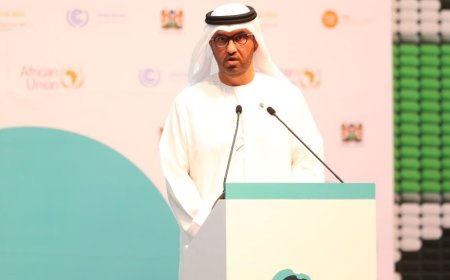
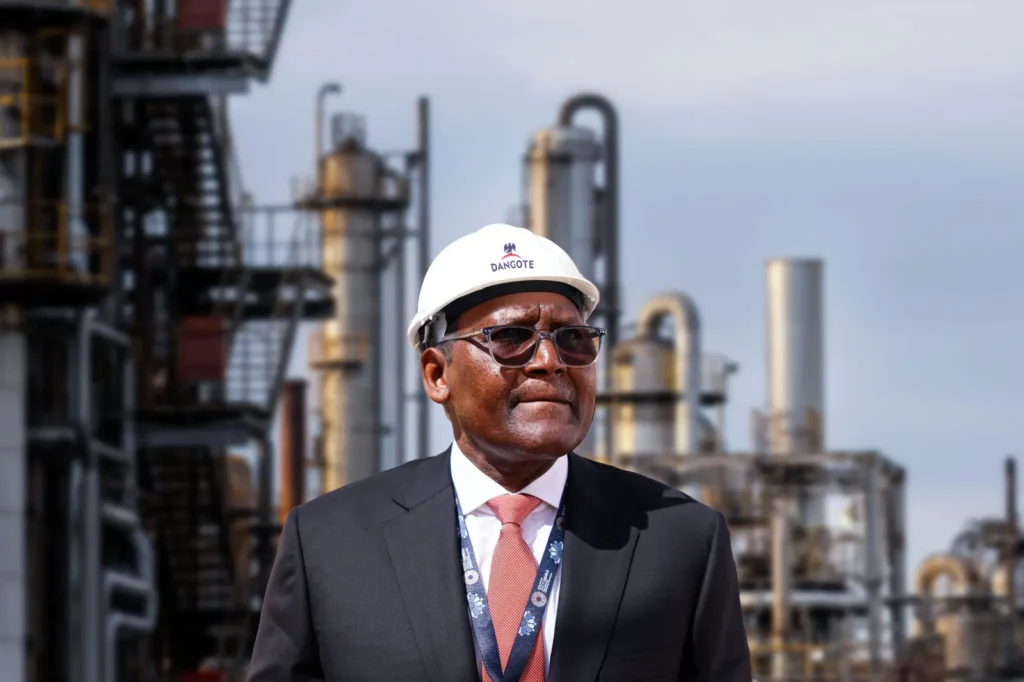
Aliko Dangote, the President and Chief Executive of Dangote Industries Limited, brought up this issue during the current West African Refined Fuel Conference in Abuja. S&P Global Commodity Insights and the Nigerian Midstream and Downstream Petroleum Regulatory Authority (NMDPRA) organized the event.
According to Dangote, Africa imports more than 120 million tonnes of refined petroleum products a year at a cost of over $90 billion because of the continent’s low local refining capability.
Imports of crude oil
As he expressed gratitude to the management of the Nigerian National Petroleum Company Limited (NNPC) for providing us with some cargoes of Nigerian crude from the beginning of production to the present, he disclosed that the company imports 9–10 million barrels of crude per month from the United States and other nations. We purchase between 9 and 10 million barrels of crude oil every month from the United States and other nations, he stated. I must express my gratitude to NNPC for providing us with certain cargoes of Nigerian crude from the beginning of production to the present.
Dangote went on to say that although Africa produces around 7 million barrels of crude oil every day, only about 40% of the 4.3 million barrels of refined products it consumes each day are refined domestically. Europe and Asia, on the other hand, refine more than 95% of their use. Therefore, even though we produce a lot of crude oil, we import more than 120 million tons of refined petroleum products annually, which essentially means that we are bringing poverty and jobs to our continent. Regions with excess refining capacity are capturing a $90 billion market opportunity. Just 15% of African nations have a GDP of more than $90 billion, to put this into context. Year after year, we are essentially giving away the economic potential of an entire continent to others,” he stated.
Dangote emphasized that trade must be based on economic efficiency and competitive advantage rather than at the expense of quality or safety standards, even as he reiterated his faith in the strength of free markets and international cooperation. “Africa exporting raw crude and then reimporting refined products that we are more than capable of producing ourselves, closer to both source and consumption, defies logic and economic sense,” he emphasized.
Experience of the Dangote Refinery
As Dangote reflected on the experience of constructing the largest single-train refinery in the world, he also outlined a number of difficulties encountered, such as commercial, technological, and contextual barriers specific to Africa. Refineries like the Dangote Petroleum Refinery are among the most logistically complicated and capital-intensive industrial facilities ever built, according to Africa’s richest man. He claimed that the Dangote refinery project needed to clear 2,735 hectares of land, 70% of which was swampy. In order to stabilize the site and raise it by 1.5 meters, 65 million cubic meters of sand had to be pumped, along with more than 250,000 foundation piles and millions of meters of electrical, plumbing, and cabling.
Over 67,000 people, including 50,000 Nigerians, were on-site at its height, working around the clock to coordinate across hundreds of specialties and countries. Naturally, the COVID-19 pandemic followed, which caused a two-year delay and added new degrees of risk, complexity, and disruption. However, we persisted,” he said.
Due to the inability of Nigerian ports to accommodate the size and amount of equipment needed for the refinery, a separate harbor had to be built. This comprised 330 cranes, more than 2,500 pieces of heavy machinery, and even the construction of the biggest granite quarry in the world, which can produce 10 million tonnes of granite annually.
Nigeria’s refinery, Dangote Refinery, has faced significant commercial challenges, including exchange rates rising from N156/$ to N1,600/$, and crude oil sourcing issues. The refinery struggles to secure crude at competitive terms, negotiating with international trading companies and dealing with logistics and regulatory bottlenecks. Port and regulatory charges account for 40% of total freight costs, making it more expensive to load domestic petroleum products from Dangote Refinery than from competitors like Lomé. Dangote also criticizes the lack of harmonised fuel standards across African nations, creating artificial barriers for regional trade in refined products. He also notes the growing influx of discounted, low-quality fuel originating from Russia blended with Russian crude under price caps and dumped in African markets. Dangote calls on African governments to follow the example of the United States, Canada, and the European Union, which have implemented protective measures for domestic refiners.