
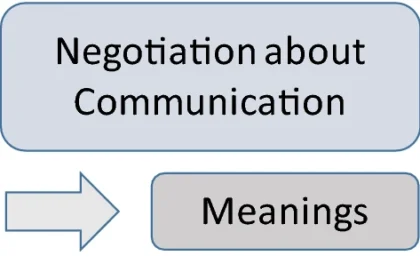
Business Communication and Negotiation
Business Communication's Function Information exchange, both inside and outside of a corporation,…
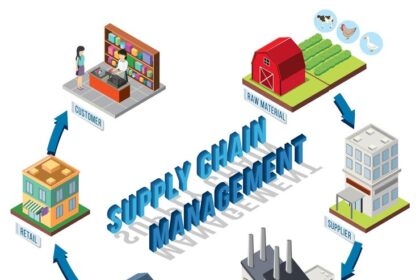
Supply Chain Management and Logistics
Supply Chain Management's Function A thorough strategy for coordinating the different steps…

AGM and capital raise are haunted by the specter of First Bank’s litigation fights.
The bank said on the NGX that the virtual meeting, which was…

Haven Homes receive acknowledgement for exceptional real estate.
As a successful individual, Ilesanmi has an impressive background. She possesses a…
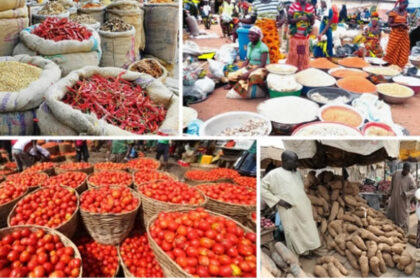
Three months, Nigerians imported food worth N903 billion.
Month-over-month, imported food inflation increased to 36.38 percent in June 2024 from…
Over 20% growth in the financial sector in three years – Afrinvest
Afrinvest, a holding company for the Nigerian capital market that has specialized subsidiaries catering to the distinct yet comprehensive wealth management requirements of West African clients, examined the GDP growth trajectory of Nigeria's seventh largest sector over the last three years and found mixed results across different industries. It revealed that the agriculture sector had decreased, going from 2.1% in 2021 to 1.9% in 2022 and 2023, respectively, to 0.2% in the first quarter of 2024. Climate change vulnerability and the difficulties associated with rural infrastructure could be the cause of this tendency. In 2022, the mining and quarry industry declined by 7.8%, and in 2021, it declined by -18.2%, according to the research. As of Q1 2024, a growth rate of 6.3% is anticipated for the sector, which has exhibited signs of revival. In 2022, the real estate sector grew by 2.3%, 3.9%, 1.7%, and 0.8%, respectively, from 2021 to 2023 to Q1 2024. Experts point out that the high cost of housing and the sector's susceptibility to changes in the economy may be to blame for this tendency. From 3.3 percent in 2021 to 2.4 and 1.4 percent in 2022 and 2023, respectively, and to 1.5 percent in Q1, 2024, the manufacturing sector has gradually decreased. The reduction was ascribed by analysts to the industry's dependence on imported raw materials and the obstacles presented by the nation's infrastructure. A decrease in the trade sector has also occurred, from 8.6 percent to 5.1 and 1.7% in 2022 and 2023, respectively, and to 1.2% in Q1, 2024, as a result of the sector's susceptibility to changes in the world economy and the effects of inflation. The growth rate of the technology and communication sector has been consistent, rising from 6.5% in 2021 to 9.8% in 2022 before contracting to 7.9% in 2023 and 5.4 percent in the first quarter of 2024. Nigeria's financial institutions have shown to be remarkably resilient, according to Afrinvest, with the industry rising by 18.4% in real terms between Q3:2023 and Q1:2024, making it the fastest-growing sector among the seven main GDP sub-components in the nation.…

Inflation causes MTN Nigeria to lose N519bn in just six months.
The PUNCH was able to secure an e-copy of the report on…

Burberry dismisses its management team in order to increase sales
Joshua Schulman, the former CEO of American fashion firms Coach and…

Dangote: My Refinery Can Save Nigeria $10bn In FX, Generate Another $10bn In Exp – Business
Dangote: My Refinery Can Save Nigeria $10bn in FX, Generate Another $10bn…