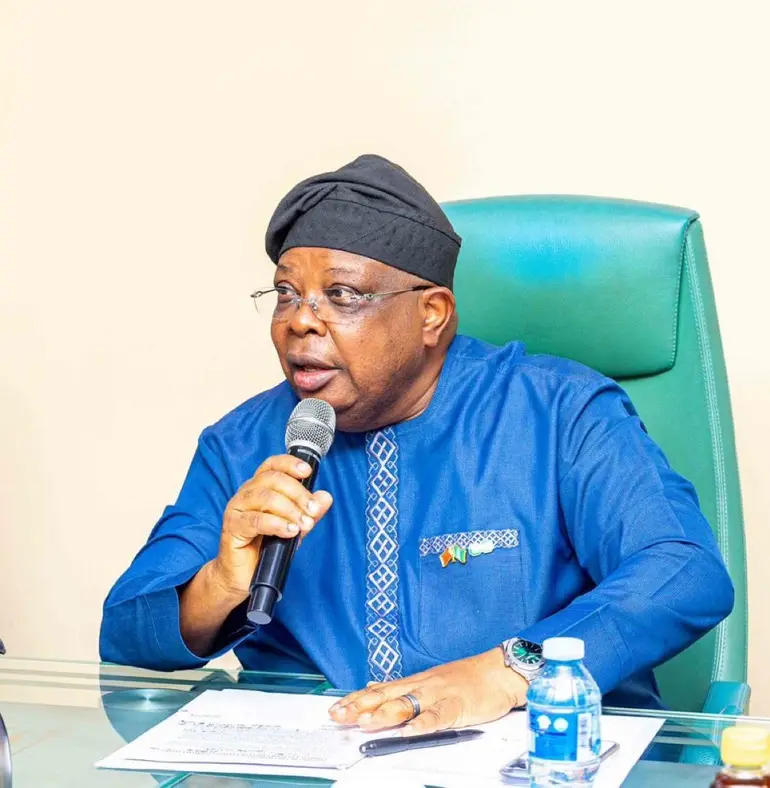
This initiative aims to ensure the financial sustainability of the power sector and to promote increased investment in electricity generation and distribution. Tegbe emphasized that the removal of subsidies would occur gradually and clarified that there are no immediate plans to raise electricity tariffs during this transition.
Currently, electricity subsidies help bridge the gap between the actual cost of power supply and the regulated tariffs paid by consumers. The elimination of these subsidies will likely result in electricity prices aligning more closely with the actual costs of production and delivery, contingent upon future tariff adjustments by regulators.
Tegbe articulated that the adjustment is crucial for addressing persistent issues in Nigeria’s power sector, including accumulated debts, funding deficiencies, and the necessity of attracting private investments. The Federal Government has previously enacted tariff reforms aimed at alleviating financial pressures on public finances and enhancing the reliability of power supply.
Aiming for a sustainable power market, the government is focused on protecting consumers throughout this transition. Nigeria’s electricity sector currently grapples with various challenges, such as inadequate infrastructure, limitations in gas supply, restricted generation capacity, and financial struggles among service operators. The upcoming subsidy removal is expected to be a key element of broader reforms intended to restructure the country’s power sector.