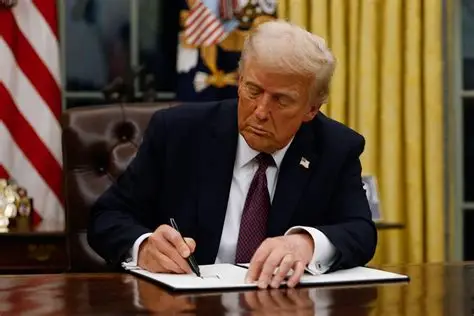
This decision, announced by the Office of the United States Trade Representative (USTR), aligns with an ongoing policy aimed at encouraging trading partners to take stronger actions against forced labor practices.
Countries that have pledged to impose restrictions on forced labor goods benefit from a lower tariff of 10%, including nations such as India, Indonesia, Malaysia, Mexico, and the United Kingdom. The USTR’s decision followed an extensive investigation initiated in May 2026 under Section 301 of the Trade Act, which involved over 1,600 written submissions, testimony from more than 100 witnesses during public hearings, and consultations with over 45 governments.
The USTR articulated that the 10% tariff applies to economies meeting specific criteria, such as enforcing import prohibitions on forced labor goods or committing to those objectives through trade agreements. In contrast, a 12.5% tariff is designated for all other investigated economies, including Nigeria, except for certain specified exemptions.
A Federal Register notice from the USTR confirms the applicability of the tariff, emphasizing that it conforms to the findings of the investigation, public commentary, and advisory recommendations. This policy emerges following recent actions, including President Donald Trump’s invocation of Section 122 of the Trade Act of 1974 to introduce universal tariffs after a wider proposal was obstructed by the Supreme Court.
USTR Jamieson Greer expressed that this initiative aims to spur more decisive actions by trading partners against forced labor, highlighting the long-standing U.S. ban on forced labor imports. Moreover, the USTR acknowledged that some products would be exempted from the tariffs to prevent domestic shortages or economic disruptions, including raw materials essential for manufacturing and goods not available in adequate quantities from local or alternative suppliers. Further exemptions were also factored in where imposing tariffs would not effectively eliminate the identified trade practices.