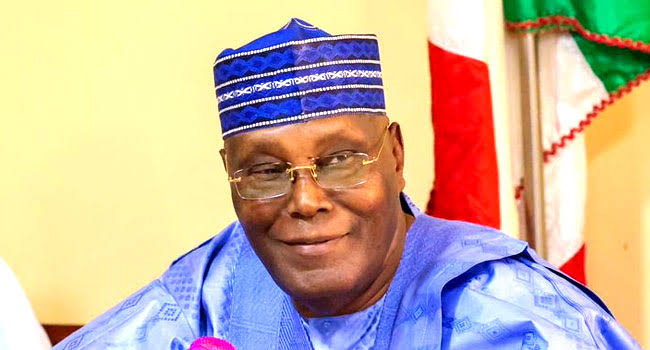
The IMF indicated that Nigeria excluded expenditures amounting to two percent of its Gross Domestic Product (GDP) from recent budgets, prompting Atiku to label this omission an indication of “institutional corruption” within the government. He argued that the situation raises serious constitutional and legal implications, necessitating an immediate investigation.
Atiku emphatically questioned the legitimacy of the missing funds, stating, “Who stole the missing two percent of our GDP?” He positioned the matter as a critical moral issue, stressing that such significant sums cannot simply vanish from a budget without authoritative approval and misuse. He further linked the IMF’s findings to the controversial Presidential Foreign Intervention Promotion Council (PFIPC), which the presidency claims does not exist, asserting a consistent pattern of public institutional abuse.
He criticized the administration’s spending priorities, highlighting disparities where the Federal Ministry of Health received only ₦36 million against a vast budget allocation of ₦218 billion, while the disputed agency received ₦1.3 billion. He stated that this reflects a mismanagement of fiscal resources and pointed to institutionalized corruption.
Atiku demanded an account from George Akume, Secretary to the Government of the Federation, regarding how the PFIPC gained governmental recognition and called for transparency from all relevant institutions. He referenced serious allegations from Adeniyi Adeyemi, linked to the PFIPC controversy, which involved demands for a kickback tied to a ₦27.3 billion grant proposal, urging for an independent investigation into the matter.
Recognizing the broader economic distress faced by Nigerians due to fuel subsidy removals, rising electricity tariffs, inflation, and public debt, Atiku condemned the government’s failure to clearly track substantial public financial resources. He urged various government entities, including the National Assembly and anti-corruption agencies, to scrutinize the situation, arguing that accountability must extend beyond political affiliations.
In the context of the IMF’s assessments, which cited fiscal reporting deficiencies and advocated for enhanced fiscal transparency and public financial management, Atiku’s stance underscores a critical demand for a justified, transparent accounting of government expenditures. He maintained that until satisfactory explanations are provided regarding off-budget spending, claims of governmental transparency will lack credibility.