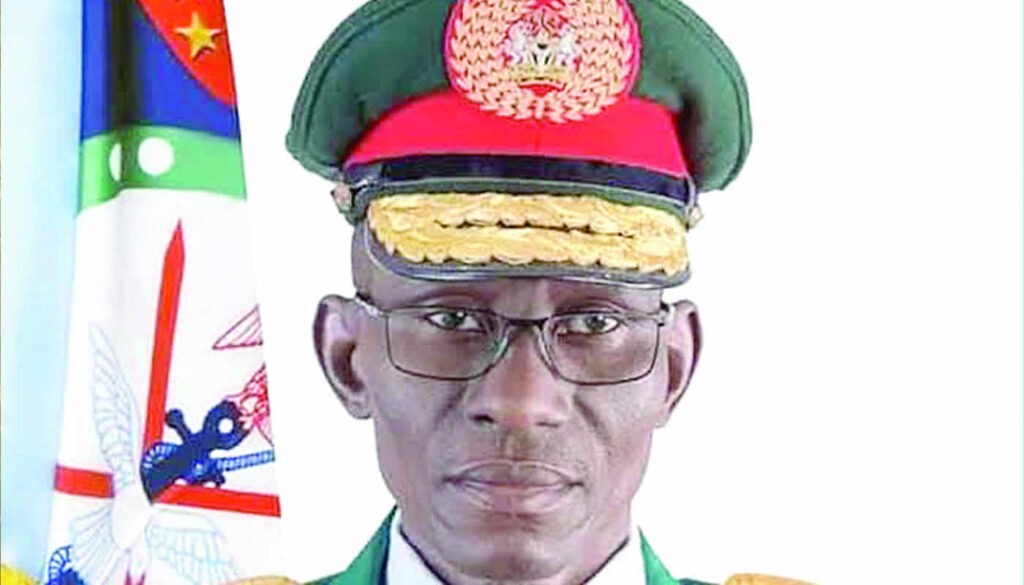
In his book “Scars: Nigeria’s Journey and the Boko Haram Conundrum,” Irabor highlighted the lack of political will as a significant barrier to an effective response to the insurgency and argued that a state of emergency, with backing from the National Assembly, could mobilize all national power elements against Boko Haram.
Irabor emphasized that strategic success against the insurgency requires a unified effort encompassing economic, political, social, diplomatic, information, and military resources, with political authority taking precedence. Despite military successes against Boko Haram, recent attacks have intensified, including a siege on Kirawa in Borno State, resulting in thousands of displacements and widespread destruction.
Governor Babagana Zulum has pronounced the necessity for increased military presence to enhance security in affected regions, where over 2.2 million people remain internally displaced.
Brigadier General Peter Aro (retd.) affirmed Irabor’s proposal as insightful and fostered by operational experience, emphasizing that a meaningful state of emergency would clarify authority and improve coordination without political interference.
Retired Major General Dayo Olukoju supported the idea but called for a broader approach addressing the root causes of terrorism, such as issues of identity and freedom, to prevent future insurgencies. Col. Saka Folusho (retd.) concurred that a state of emergency is essential, yet warned that it alone would not suffice unless accompanied by measures to tackle the arms trade fuelling the violence. Folusho urged for improved military conditions, including personnel responsibility and appropriate equipment.
The Northern Elders Forum also reiterated demands for a state of emergency, identifying it as necessary for deploying security personnel to high-risk areas like Zamfara and Borno. The Federal Government had not issued a response to Irabor’s call, although local officials acknowledged his right to express his opinion. Additionally, some representatives have posited that only state policing can effectively address Nigeria’s insecurity challenges.