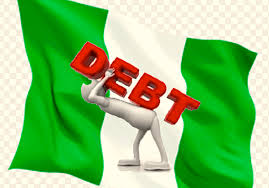
According to recent data from the Debt Management Office, Nigeria’s debt increased from ₦144.7 trillion to ₦149.4 trillion by March 2025. For many Nigerians, the nearly ₦5 trillion increase in only one quarter means more than simply a figure.
“This type of borrowing is not typical,” stated Lagos small company owner Tunde Abiola. “How are we going to grow as a business when everything is choking if the government continues to borrow like this?”
Borrowing has accelerated after President Bola Tinubu assumed office in May 2023. The national debt has increased by almost 61 trillion naira in only one year, a figure that has worried both business executives and financial experts.
Furthermore, many worry that the cost may increase further since the Senate just approved a second loan request for $21 billion.
It’s difficult to avoid comparisons to President Muhammadu Buhari’s former administration. When Buhari took office in 2015, the nation’s debt was approximately ₦12.6 trillion. When he departed in 2023, it had increased to ₦87.9 trillion. Nigeria is now on track to reach ₦200 trillion in record time under Tinubu.
According to an Abuja-based financial analyst, “the rate of this debt increase is like nothing we’ve seen before.” “The speed at which it’s occurring is more important than the quantity.”
Since more than 90% of government revenue is spent to pay off debt, leaving little for infrastructure like roads, salaries, schools, or electricity supplies, Nigerians are worried about the effects of growing debt. According to Chinyere Okafor, a secondary school teacher, the circumstances don’t represent reality.
Instead of borrowing, economists are advising Nigeria’s government to concentrate on reviving the economy through domestic manufacturing, more sensible taxation, and responsible spending. With inflation affecting families and investors growing more cautious, the private sector is growing restless. Ordinary Nigerians are calling for answers as the country’s debt approaches ₦200 trillion.