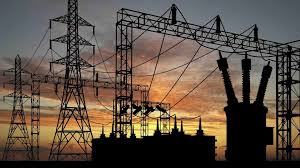
State governments cannot set the wholesale price of electricity, regardless of how much control they currently have over local distribution, according to the Nigerian Electricity Regulatory Commission (NERC), which has intervened in Nigeria’s efforts to restructure its faltering power sector.
The clarification comes at a critical moment when a number of states take control of their electrical supply systems in the wake of the historic electrical Act of 2023, which granted governments the authority to manage and control their own power markets.
However, NERC asserts that states cannot cross a certain threshold. According to a NERC spokesperson, “pricing for bulk electricity purchases from the national grid is still handled at the federal level, but states can set tariffs for what happens within their borders like local distribution.”
States like Lagos, Rivers, and Kaduna, which are already looking into regional power solutions to get out of the long-standing national grid problems, should pay particular attention to this. NERC’s reminder guarantees that there is no price instability or misunderstanding at the national level, even if the new law was largely praised for decentralizing power regulation.
The announcement is opportune, according to energy experts. Clarity on who sets the pricing might make or break investor confidence in governments that are keen to draw in investment and construct reliable electrical systems.
Nigerian energy policy researcher Adebola Adediran stated, “We are on the verge of significant advancement but, only if federal and state regulators cooperate, not compete.
For the average Nigerian, who still has little or no influence, this is more than just policy rhetoric. It’s a step toward a time when reforms truly function, bills are fair, and the lights remain on.