
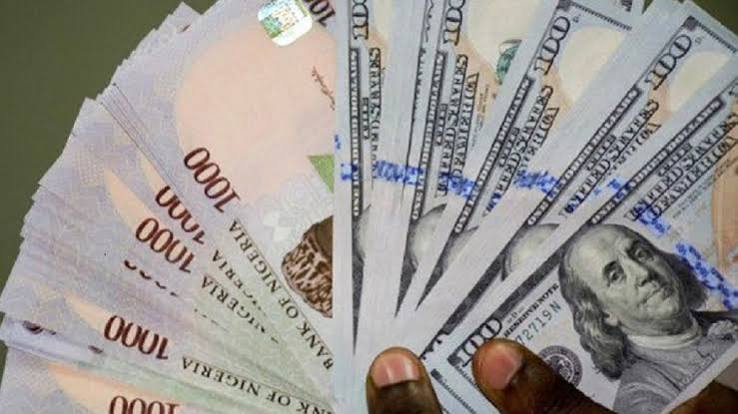
- Nigeria’s Reserves Cross $51bn: Why This Is Good News, But Not Yet Celebration Time
Nigeria has recorded a major economic milestone as the country’s external reserves climbed to about $51.04 billion, their highest level in roughly 17 years.
On paper, this is strong news. Foreign reserves are like a country’s emergency dollar savings. They help the nation pay for imports, defend its currency, meet foreign obligations, reassure investors, and support confidence in the economy. When reserves are rising, it usually means the country has more foreign exchange strength than before.
But for ordinary Nigerians, the big question is not just whether reserves are growing. The real question is: will this reduce the pressure on the naira, bring down prices, improve import access, stabilise businesses, and make life easier?
That is why this story is trending.
According to reports citing Central Bank of Nigeria data, Nigeria’s gross external reserves stood at about $51.04 billion as of June 18, 2026. This level is said to be the highest since January 2009, when reserves were around $51.07 billion. The figures also show a strong year-on-year rise from about $37.74 billion in June 2025, meaning Nigeria has added more than $13 billion to its reserves in one year.
This improvement is important because foreign reserves are closely watched by investors, importers, economists, banks, and international partners. A country with stronger reserves is generally seen as more capable of handling foreign exchange pressure. It can also improve confidence in the naira, especially if the growth is supported by stronger oil earnings, remittances, capital inflows, and better foreign exchange management.
However, Nigerians must understand that rising reserves do not automatically mean food prices will fall tomorrow. Reserves can support stability, but inflation, transport costs, insecurity, fuel prices, power supply, production costs, and government policy still affect the price of goods in the market.
For businesses, stronger reserves may improve confidence in access to foreign exchange, especially for importers of raw materials, equipment, medicine, technology, and industrial inputs. If sustained, it can help reduce panic in the FX market and make planning easier.
For the government, this is a chance to prove that macroeconomic improvement can become household relief. Nigerians have heard many big economic figures before, but many still struggle with food, rent, school fees, transport, power bills, and business costs.
So, while the $51.04 billion reserve figure is positive, the work is not finished. The real success will be measured when economic stability begins to reach the pocket of the common man.
Nigeria now has a stronger dollar buffer. The next test is whether that buffer can help build a stronger naira, stronger businesses, and stronger households.
THE NSM PERSPECTIVE
A country’s reserve is like the savings of a wise household. When savings grow, confidence grows. But savings alone do not make a family prosperous if income is weak, spending is wasteful, and daily needs remain unaffordable.
Nigeria’s rising reserves should be welcomed, but not worshipped. The people need stability they can feel. The trader needs predictable exchange rates. The student needs affordable fees. The manufacturer needs access to dollars for machinery and raw materials. The family needs food prices to stop running like a thief in the night.
Good numbers must become good living. That is the real economic victory.