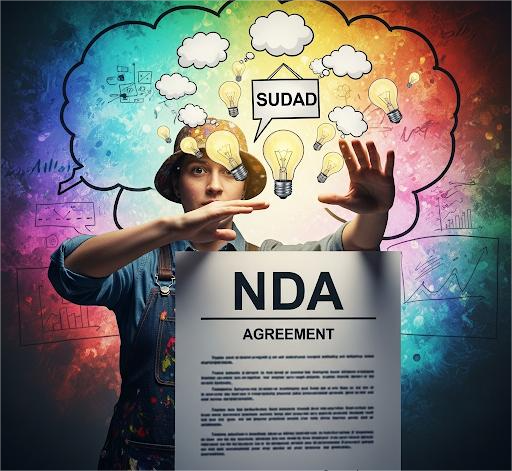
When you create, you give birth to something that didn’t exist before, a design, a script, a marketing concept, a song, a brand identity. But before it’s public, your idea is vulnerable. Clients, collaborators, or contractors could intentionally or unintentionally share it with others, replicate it, or use it without giving you proper credit or payment. This is where a Non-Disclosure Agreement (NDA) comes in. An NDA is a legal document that binds your client to keep your work, concepts, and discussions confidential until you’re ready to release them. As a creative, issuing one before sharing your work is not paranoia, it’s protection.
First, an NDA safeguards intellectual property during early stages. Many creatives present sketches, drafts, treatments, or prototypes to win a project. Without an NDA, those early ideas can be “borrowed” by the client and executed elsewhere without your permission. For instance, a filmmaker could pitch a script concept to a production company, only to see a suspiciously similar film released months later without credit. With an NDA in place, you have documented proof that the idea was yours first and legal backing to defend it.
Second, NDAs help set professional boundaries with clients. They signal that you take your craft seriously and expect the same respect in return. This formality can deter those who might otherwise test the limits of your trust. For example, a corporate brand might not feel it’s wrong to share your marketing pitch with a competitor, but when they’ve signed an NDA, they know it’s legally binding not to disclose your concepts, pricing, or creative approach. It’s not just about stopping theft; it’s about building a professional relationship grounded in mutual respect.
Third, an NDA protects your reputation and future opportunities. Sometimes, the damage isn’t about stolen ideas it’s about premature exposure. A client might post your unfinished design online without context, leading others to think that’s your final work. This could harm how potential clients perceive your quality and process. An NDA can specify when, how, and by whom your work can be shared, ensuring you control the narrative around your creative output.
Finally, using NDAs reinforces your value as a creator. In industries where art, design, writing, or invention is often undervalued, having legal measures in place communicates that your work has real-world worth. It tells clients, “This is not just a hobby, it’s a business.” That mindset shift is critical for sustaining a career in the creative industry. In the long run, an NDA isn’t about distrust, it’s about ensuring your work and rights remain intact so you can keep creating fearlessly.