Strategies for Pricing
The techniques used by companies to determine the cost of their goods or services are referred to as pricing strategies. Numerous factors, such as cost, competition, target market, and overall business goals, affect these tactics. Here are a few typical pricing techniques:
Cost-Plus Pricing: This simple pricing method is centered on a predetermined percentage or markup to the cost of manufacturing a good or providing a service. The ultimate price guarantees that the business makes a profit margin and pays its expenses. Although cost-plus pricing is simple to use, it might not always take rival price or market demand into account, which could result in either overpricing or underpricing.
Value-Based Pricing: Rather than basing prices on manufacturing costs, this approach bases them on the customer’s assessment of the worth of the good or service. Value-based pricing businesses put a lot of effort into learning about their clients’ requirements and payment capacities. This strategy is frequently applied in sectors of the economy where goods and services have distinctive advantages or where consumer perception is greatly influenced by branding.
Penetration pricing: To swiftly increase a new product or service’s market share, a low price is set using penetration pricing. The corporation may decide to progressively raise the price once the product has gained traction. This approach works especially well in markets with intense competition when gaining clients fast is crucial. If the low price doesn’t cover costs though, or if customers later object to price hikes, it might be dangerous.
Skimming Pricing: In contrast to penetration pricing, skimming pricing focuses on early adopters who are willing to pay a premium by setting a high initial price for a novel or inventive product. The corporation steadily reduces the price to draw in a wider consumer base as the market becomes saturated. Skimming is a common practice in the luxury and technology sectors, where consumers are prepared to pay extra for the newest products.
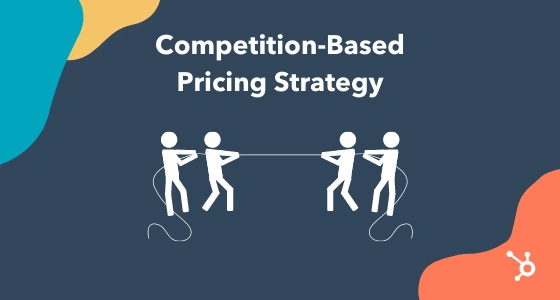
Competitive pricing: This is determined by comparing oneself to the prices of rival businesses. Depending on their positioning strategy, businesses may decide to price their goods marginally less than, equal to, or more than their rivals. This strategy is popular in marketplaces when there are a lot of comparable products and consumers base their decisions mostly on pricing.
Dynamic Pricing: This technique entails instantly modifying prices in response to changes in supply, demand, and other market variables. This tactic is frequently applied in sectors where pricing might change according on availability, consumer behavior, or outside events, such as travel, e-commerce, and hospitality.
Models of Revenue
A revenue model is a company’s strategy for making money from its goods and services. A business’s capacity to remain viable over the long run depends on its choice of revenue model. Typical revenue models include the following:
Direct Sales: Direct sales, the most conventional revenue model, entails selling goods or services to clients directly. Every transaction generates revenue. This simple strategy is effective for companies that provide physical products or services.
Subscription Model: To access a good or service, subscribers pay a set amount on a monthly, quarterly, or annual basis. This type of business model is popular in sectors including media, software, and membership-based services since it offers a consistent flow of income. Although the subscription model promotes client loyalty, it necessitates high levels of customer satisfaction to keep churn at bay.
Freemium Model: This business model charges for premium features or content yet provides a free basic version of a good or service. In the digital sphere, this strategy is well-liked, particularly for software and apps. Offering worthwhile upgrades to free consumers in order to turn them into paying customers is the secret to the freemium business model’s success.
Advertising Model: In the advertising model, customers are given free material or services, and revenue is made by selling advertisements. Search engines, social networks, and the media all use this paradigm frequently. Reliance on ad revenue can leave organizations susceptible to fluctuations in the advertising market, even though it can be extremely profitable for those with a huge user base.
Commission-Based Model: Under this arrangement, a company receives income by keeping a portion of purchases made via its services or platform. Real estate, affiliate marketing, and e-commerce marketplaces are popular areas to witness this. The performance of the company is correlated with that of its partners or users through the commission-based model.
Licensing Model: Under the licensing model, companies or individuals are allowed to exploit technology, intellectual property, or brand assets in return for payments or royalties. In sectors like software, entertainment, and franchising, this strategy is widely used.
In conclusion, a company’s success depends on selecting the appropriate price strategy and revenue model. Revenue models specify how a business will be able to support itself financially, while pricing strategies assist in figuring out how much clients are prepared to pay. Businesses can create efficient pricing plans and revenue models that spur expansion and profitability by carefully examining market dynamics, consumer behavior, and corporate goals.
#naijastreetmatters
To see more of our content like, comment and subscribe