
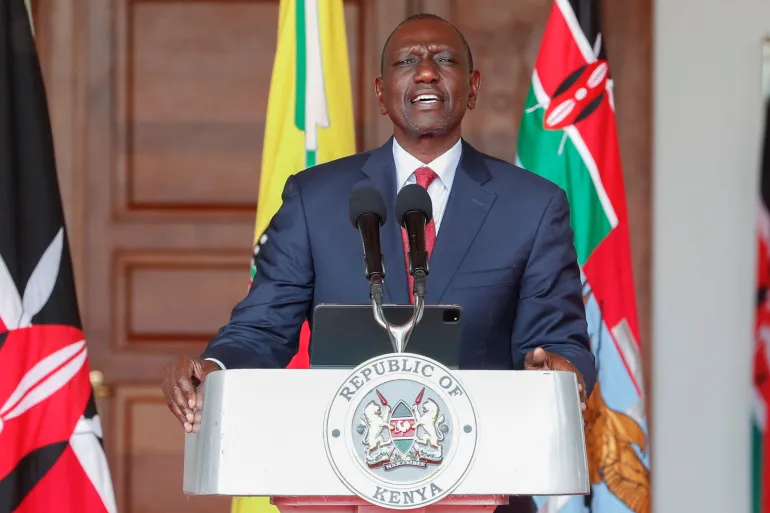
In his announcement on September 2, Ruto argued that these activities should be reserved for Kenyans, while foreign investment in larger capital projects remains welcome. The directive coincides with the ongoing consideration of the Local Content Bill, 2025, aimed at ensuring businesses increase local sourcing and employment.
Hesbon Hansen Owilla, a professor at Aga Khan University, supports the initiative as a means to protect local traders, stating it will favor investors who contribute significantly to economic development, such as job creation, rather than those who merely compete at the small-scale level. The bill under discussion seeks to regulate foreign businesses further, although details on its implementation and the businesses affected remain unclear.
Ruto’s administration has yet to provide a comprehensive list of which foreign-operated businesses will be impacted. Additionally, Foreign Affairs Principal Secretary Korir Sing’Oei emphasized that foreign nationals with valid permits continue to be protected under Kenyan law, asserting that Ruto’s comments were taken out of context related to the Local Content Bill.
Foreign direct investment in Kenya was recorded at 1.458 trillion Kenyan shillings ($11.27 billion) by the end of 2023, representing a robust growth from the previous year. This investment has been crucial for employment, with surveyed foreign enterprises employing over 224,000 individuals, predominantly Kenyans, during June 2024.
The crackdown on foreign traders should be differentiated from ongoing disputes like the one involving Tata Chemicals. In that case, the Kenyan government has suspended their soda ash operations due to compliance issues and shifted focus towards companies providing more substantial local benefits.
International business observers argue that foreign investments should complement rather than displace Kenyan enterprises. However, there are concerns that the crackdown’s implementation might discourage foreign investment and increase operational costs for businesses in Kenya, potentially fomenting negative relations with foreign communities if they are perceived as responsible for increased unemployment.